Firefighting Feels Productive But Keeps You Stuck
Firefighting Feels Productive But Keeps You Stuck You've just wrapped a twelve-hour day. Your inbox is finally under control. That angry client got sort...

Firefighting Feels Productive But Keeps You Stuck
You've just wrapped a twelve-hour day. Your inbox is finally under control. That angry client got sorted. The supplier issue that threatened to derail next week's delivery? Fixed. You're exhausted, but there's a strange satisfaction in knowing you kept everything from falling apart.
Except you haven't actually moved forward.
The business looks exactly the same as it did three months ago. The same problems keep surfacing. Your team still waits for you to solve everything. And that strategic project you've been meaning to start? Still sitting in the "when I have time" pile.
Here's the uncomfortable truth: firefighting feels legitimately productive because it is productive in the moment. The problem isn't that you're lazy or disorganised. It's that constant motion doesn't equal meaningful movement. And your brain can't always tell the difference.
The Adrenaline Trap: Why Putting Out Fires Feels Like Progress
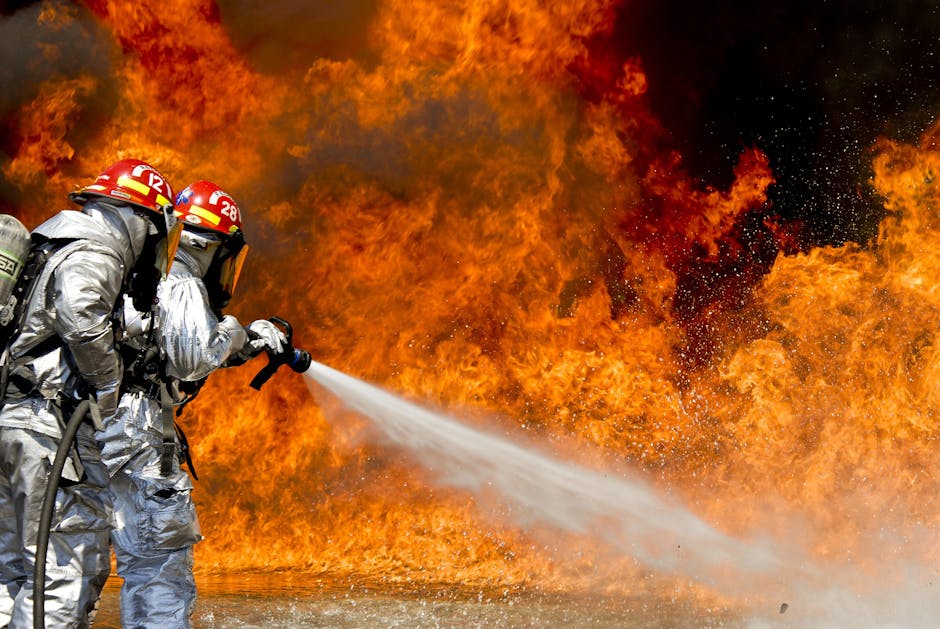
Reactive work hijacks the same reward mechanisms in your brain that actual achievement triggers. This isn't a character flaw. It's psychology.
When you solve an urgent problem, you get immediate feedback. The client stops complaining. The system starts working again. The crisis evaporates. Your brain registers this as a win and releases dopamine accordingly. Reactive management responds to situations as they occur, which makes it particularly appealing when you're time-constrained and need quick results.
Strategic work doesn't offer the same hit. Building a system to prevent future complaints takes weeks. The payoff is invisible until it's done, and even then, success looks like nothing happening.
Visible motion creates the illusion of forward movement
Solving immediate problems creates tangible, visible results. You can point to what you fixed. You can show the email thread where the client went from furious to satisfied. That feels like progress because something changed.
Compare that to strategic work. Spending two hours mapping out a better onboarding process doesn't feel like you've accomplished anything. There's no visible before-and-after. No one sends you a thank-you email for preventing a problem that never happened.
A concrete example: You spend an hour fixing a customer complaint about unclear pricing. Problem solved, customer happy. Or you spend that same hour building a pricing calculator for your website that prevents the confusion entirely. The first option feels productive immediately. The second feels like you've just been "working on stuff."
Urgency hijacks your reward system
Urgent tasks trigger dopamine in a way that important-but-not-urgent work simply doesn't. This creates an addictive cycle: crisis appears, you resolve it, you feel relief, then your brain starts seeking the next crisis to solve.
This isn't about being addicted to drama. It's about your reward system learning that urgent problems deliver faster, more reliable hits of accomplishment than long-term projects. Over time, you unconsciously start prioritising reactive work because it feels more rewarding, even when you intellectually know it's keeping you stuck.
Being needed feels like being valuable
When you're the only person who can fix things, it reinforces a specific identity: you're indispensable. The business needs you. Your team needs you. Clients need you.
This becomes part of how you measure your own worth. "I'm the only one who can handle this" stops being a problem and starts being proof that you matter. The fear underneath is simple: if you step back and the business runs without you, what does that say about your value?
This need is real and valid. But it's also a trap that prevents you from building something that can grow beyond your personal capacity.
The Hidden Cost: What Firefighting Actually Prevents You From Building

The real cost of firefighting isn't what goes wrong. It's what never gets built.
Research shows that reactive management might lead to higher costs and stressed teams due to constantly dealing with unforeseen emergencies. But the deeper cost is opportunity. Every hour spent on reactive fixes is an hour not spent building systems that would eliminate entire categories of problems.
Strategic thinking gets crowded out by tactical scrambling
Constant firefighting consumes the mental space you need for planning and vision. It's not just about time. It's about cognitive capacity.
You can't think strategically when you're in crisis mode. Your brain is focused on immediate threats, not long-term opportunities. This is why business owners often realise they haven't reviewed their business model in two years. They've been too busy keeping things running to ask whether they're running in the right direction.
Strategic thinking doesn't require massive time blocks. Even thirty minutes of focused planning matters. But it requires mental space that firefighting doesn't leave available.
Your team learns helplessness instead of ownership
When you always swoop in to fix problems, you train your team to wait for rescue. This isn't their fault. It's a predictable response to your behaviour.
The cycle works like this: your team encounters a problem, you solve it before they can figure it out, they learn that waiting for you is more efficient than solving it themselves, their problem-solving capability atrophies, and you become even more essential.
Proactive managers encourage ownership by giving their teams space to solve problems and learn from mistakes. Reactive managers, even with the best intentions, create dependency.
The same fires keep reigniting because root causes go unaddressed
Reactive fixes treat symptoms. The underlying systems remain broken.
Example: A client keeps getting confused during onboarding, so you personally walk them through it. Problem solved. Next client, same confusion, same personal intervention. You've now "solved" this problem six times without actually fixing anything.
The alternative is spending time improving the onboarding process itself. But that requires stepping back from firefighting long enough to address the root cause. When you're in reactive mode, that time never materialises.
Breaking the Cycle: How to Shift From Reactive to Proactive Without Everything Falling Apart
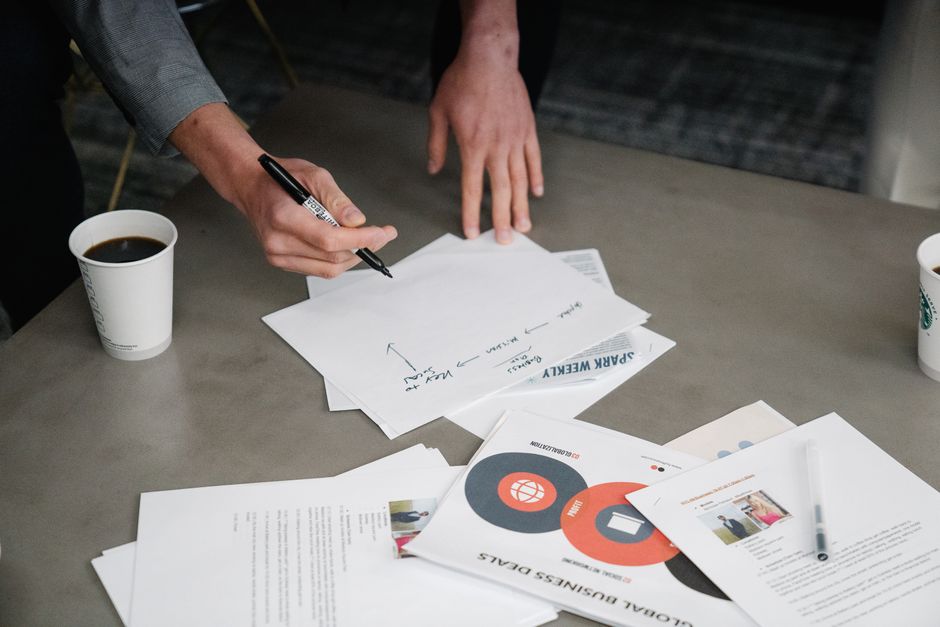
The core fear is real: if you stop firefighting, won't the business burn?
Not if you shift gradually and strategically. Research shows that a balanced approach using both proactive and reactive strategies optimises success. You don't abandon reactive work entirely. You deliberately reduce it by preventing the fires that don't need to happen.
This won't be easy. It requires deliberate effort and some uncomfortable choices. But it's possible.
Create a fire log to identify patterns in what keeps breaking
Start tracking recurring problems. Nothing fancy. Just a simple record: date, what broke, how much time you spent fixing it, and whether you've seen this issue before.
After two weeks, patterns emerge. You'll see which fires are actually the same fire reigniting. Those are your prevention priorities.
This aligns with proactive practices of analysing and prioritising feedback. You're not trying to prevent every problem. You're identifying which problems are worth the investment to eliminate.
Simple tracking beats no tracking. Don't overcomplicate this.
Block two hours weekly for prevention work (non-negotiable)
Dedicated time for proactive work must be protected like a client meeting. Not "I'll work on systems when I have time." That time never appears.
Use these two hours to address the top patterns from your fire log. One recurring problem at a time. Build the system, document the process, train someone else to handle it.
If you're struggling to find time for strategic work, tools like Ralivi can help automate repetitive tasks like lead management, freeing up capacity for the prevention work that actually moves your business forward.
Yes, urgent things will try to intrude. Let them wait. Proactive management requires time investment but results in less stress and better outcomes long-term.
Let smaller fires burn while you fix the system
This is counterintuitive but necessary. You can't prevent future fires if you're still putting out every current one.
Example: A small client complaint comes in. It's not urgent, just annoying. Instead of dropping everything to fix it immediately, you let it wait while you build the process that prevents this type of complaint from happening again.
The client might be slightly less happy in the short term. But you're trading one person's minor inconvenience for a system that serves everyone better going forward.
This doesn't mean ignoring everything. It means distinguishing which fires can safely burn while you build better infrastructure. Most small fires can wait. The business won't collapse.
The Real Measure of Progress
Stop measuring productivity by fires extinguished. Start measuring it by fires prevented and systems built.
The reactive scorecard looks like this: busy days, full inbox cleared, multiple crises handled, team constantly coming to you for answers.
The proactive scorecard looks different: recurring problems eliminated, team solving issues independently, time available for strategic work, business growing without requiring more of your personal hours.
Research confirms that proactive managers are less stressed with better team performance and can focus more on long-term goals. That's not because they work harder. It's because they work on different things.
Next time you finish a day feeling exhausted but accomplished, ask yourself: did I move forward, or did I just move? Did I solve the same problem I solved last month? Did I build anything that will make next month easier?
If you're ready to shift from constant firefighting to building systems that actually scale, Ralivi specialises in automating the repetitive work that keeps business owners stuck in reactive mode. Sometimes the fastest way to become proactive is to stop doing the tasks that don't require your expertise in the first place.
The goal isn't to eliminate all reactive work. It's to stop letting it consume all your capacity for building something better.