Why Only One Person on Your Team Closes Deals
Why Only One Person on Your Team Consistently Closes Deals You know the pattern. Every Monday morning, you open the pipeline report and see the same nam...

Why Only One Person on Your Team Consistently Closes Deals
You know the pattern. Every Monday morning, you open the pipeline report and see the same name dominating the closed-won column. One rep hitting quota. The rest struggling to get halfway there.
This isn't a talent problem. It's a system failure.
When only one person on your team consistently closes deals, you're not running a sales operation. You're running a single point of failure. What happens when that star performer gets promoted? Takes a better offer? Burns out from carrying the entire pipeline?
The answer is usually panic, followed by frantic hiring, followed by the same problem six months later with a different name at the top.
This article diagnoses why this happens and how to fix it before your business becomes completely dependent on one person's undocumented instincts.
The Star Performer Trap: When One Rep Carries the Entire Pipeline
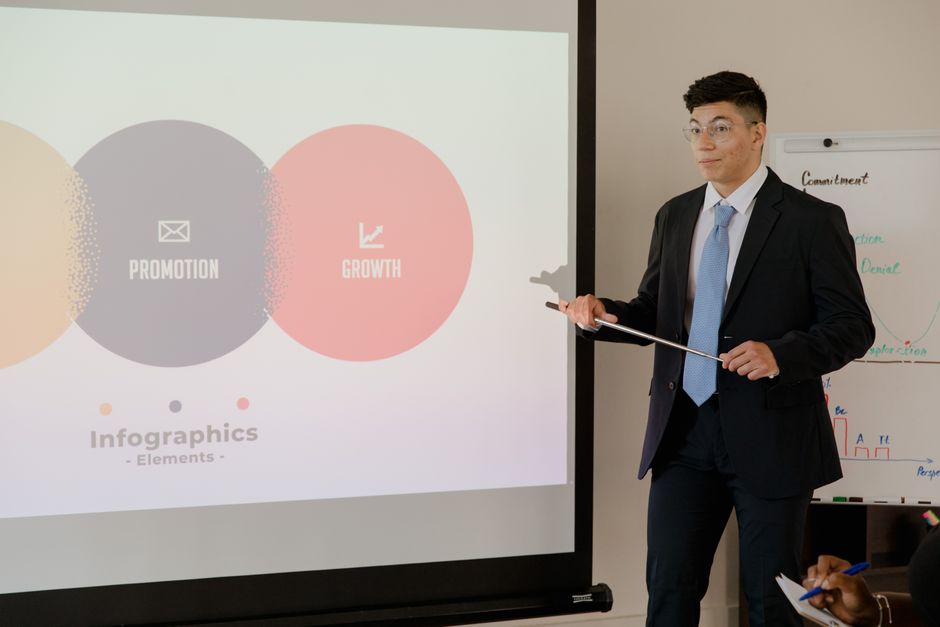
Picture your weekly sales meeting. One person presents three new closed deals. Everyone else mumbles about "promising conversations" and "deals moving to next stage."
Leadership celebrates the winner. Sends a Slack emoji. Maybe mentions them in the company update. Meanwhile, the fundamental issue gets ignored: your entire revenue engine depends on knowledge and relationships locked inside one person's head.
This creates fragility that most businesses don't recognise until it's too late. When that top performer leaves, they take their qualification criteria with them. Their follow-up sequences. Their objection-handling tactics. Their sense of which deals are real and which are time-wasters.
The core tension here is real: you want to celebrate individual performance. But when that performance masks broken processes affecting everyone else, celebration becomes a distraction from the actual problem.
Your underperforming reps aren't lazy or incompetent. They're working in a system that only one person has figured out how to navigate.
It's Not a Talent Problem — It's a System Problem
If only one person succeeds with the same leads, the same tools, and the same training, the problem isn't your hiring process. It's your infrastructure.
Most businesses misdiagnose this completely. They assume they need better salespeople. They fire underperformers and start another recruitment cycle. Six months later, they're back in the same position with different names.
Good people fail in bad systems. Every time.
The real issue is the absence of documented, repeatable processes. When inconsistent business processes lead to errors and inefficiencies, it's not the people who need replacing. It's the system that needs building.
Your top performer isn't following a different process — they've created their own
Star closers develop personal workflows that exist only in their head or scattered across personal notes. They've built their own qualification questions. Their own follow-up rhythms. Their own instinct for when to push and when to back off.
This knowledge never gets captured in the CRM because there's no system to extract and document it. Ask your top performer "what's your process?" and you'll get a vague answer about "building relationships" or "understanding the customer."
They're not being evasive. They genuinely can't articulate what they do because they've internalised patterns the rest of the team can't see, let alone replicate.
The rest of your team is flying blind without documented steps
Without a standardised playbook, every rep guesses at next steps. They make up qualification criteria. They inconsistently move deals forward based on personal judgment rather than proven patterns.
This isn't just inefficient. It actively damages team performance. Unclear or shifting procedures negatively impact employee morale because people know they're failing but don't understand why.
Every rep reinvents the wheel. Every customer gets a different experience. Some prospects get contacted daily. Others wait weeks between touches. The brand becomes whatever individual rep happens to be handling the deal.
Data lives in silos, so only one person knows what actually works
Your top performer's winning email templates live in their sent folder. Their objection-handling tactics exist only in their memory. Their deal notes stay locked in personal systems the rest of the team never sees.
When the same data doesn't match across different systems due to failed synchronisation or manual entry errors, teams can't identify winning patterns. There's no single source of truth.
Without centralised, accessible data, the team can't learn from what's working. Success stays trapped with the person who discovered it.
The Three System Breakdowns That Create Inconsistent Results
These aren't personality problems. They're fixable infrastructure failures.
Each breakdown compounds the others. Fix one without addressing the rest and you'll see marginal improvement at best. Address all three and you start building a system that scales beyond individual talent.
No standardised qualification framework means every rep defines 'good fit' differently
Without agreed-upon qualification criteria, each rep uses personal judgment to decide which deals deserve attention. One rep chases every inquiry. Another disqualifies promising opportunities because they don't fit an arbitrary mental model.
The consequence is unpredictable pipeline quality. Businesses face challenges maintaining quality standards due to process variability, and nowhere is this more visible than in qualification inconsistency.
Your top performer probably has strict qualification rules. Budget thresholds. Authority requirements. Timeline expectations. But these rules exist only in their head, so the rest of the team can't apply them.
Inconsistent follow-up cadences let deals die in different stages for different reps
Without standardised follow-up sequences, some reps contact prospects daily while others wait weeks. Deals stall at different stages for different reps because there's no defined "what happens next" at each pipeline stage.
Your star performer probably has a disciplined follow-up rhythm. Day one: send proposal. Day three: check in. Day seven: address concerns. Day fourteen: final push or disqualify.
That rhythm has never been documented or shared. So prospects receive wildly inconsistent treatment depending on which rep handles their inquiry, leading to poor customer experiences and diminished brand loyalty.
Missing feedback loops prevent the team from learning what your closer already knows
When deals close or are lost, there's no systematic process to capture why. Winning tactics stay trapped with the person who discovered them. Repeated mistakes never get diagnosed as patterns.
Your top performer's instincts could become team knowledge if there were systems to surface and share them. But without regular pipeline reviews or deal debriefs, that knowledge stays locked away.
Implementing regular training sessions helps, but only if there's a feedback mechanism to identify what actually needs training.
Building a System That Scales Beyond One Person

These aren't quick fixes. They're infrastructure investments that require upfront work but create lasting leverage.
The goal isn't limiting your top performer. It's replicating their success across the entire team.
Document your top performer's actual workflow, not what they think they do
There's a difference between asking "what's your process?" and actually observing what happens. Shadow their calls. Review their CRM activity patterns. Map their email sequences. Track their qualification questions.
Record discovery calls and analyse what questions consistently appear. Look at deal progression timing. Identify the specific actions that move opportunities forward versus the ones that waste time.
Top performers often don't consciously know their own success patterns. They've automated good instincts. Your job is making those instincts visible and teachable.
If you need help extracting and documenting these workflows systematically, Ralivi specialises in building CRM systems that capture what actually works rather than what people think works.
Create a single source of truth for deal progression and qualification criteria
Build a centralised playbook that defines what qualifies a lead, what happens at each pipeline stage, and what "good" looks like at each step.
This playbook should live in your CRM or shared documentation, accessible to everyone, updated regularly. Automatic data synchronisation, validation checks, and clear data ownership prevent the inconsistencies that kill team performance.
Technology such as automation tools can aid in reducing inconsistencies by ensuring everyone follows the same qualification criteria and follow-up sequences without manual enforcement.
Implement weekly pipeline reviews that surface what's working across all reps
Effective pipeline reviews aren't forecast calls. They're structured sessions where reps share what moved deals forward or caused stalls.
Create a feedback loop where winning tactics get documented immediately and losing patterns get diagnosed as a team. Data observability tools help detect data mismatches in real time, and the same principle applies to sales pipeline visibility.
This turns individual learning into collective intelligence. Your top performer's knowledge scales across the entire team instead of staying locked in one person's head.
When Systems Replace Heroes
Hero-dependent sales teams are fragile. One resignation, one burnout, one promotion, and revenue collapses.
System-driven teams are resilient. Your top performer becomes more valuable when their knowledge scales. They can focus on complex deals while the system handles the repeatable parts.
The transformation looks like this: from one person carrying the pipeline to a team where everyone has access to what works. From hoping you hire the right talent to building infrastructure that creates predictable, scalable revenue.
This is ongoing work. You won't perfect it in a quarter. But it's the difference between a business that depends on individual heroics and one that grows through systematic excellence.
Ready to build a sales system that doesn't depend on one person? Ralivi can help you implement the CRM infrastructure and process documentation that turns individual success into team performance. Get in touch for a consultation.