What Your Lead Response Time Is Costing You
What Your Lead Response Time Is Costing You You know you should respond to leads faster. Everyone does. But between running your business, managing your...

What Your Lead Response Time Is Costing You
You know you should respond to leads faster. Everyone does. But between running your business, managing your team, and dealing with the hundred other things that demand your attention right now, leads sit in your inbox. You tell yourself you'll get back to them this afternoon. Or tomorrow morning. Or when you have time to write a proper response.
Here's the problem: while you're planning to respond later, your potential customers aren't waiting. They're moving on. And the cost of that delay is probably much higher than you think.
This article will show you exactly what slow responses are costing you, how to measure your actual response time (it's likely worse than you estimate), and three practical changes you can implement today to cut your response time in half. No expensive software required. Just a clear understanding of what's at stake and a simple system that actually works.
The Five-Minute Window (And Why You're Probably Missing It)
Research shows the first five minutes after a lead comes in are critical for conversion. Not the first hour. Not the first day. Five minutes.
Think about what happens in those five minutes from your customer's perspective. They've just submitted an enquiry. They're actively comparing options. They're engaged, they're ready to buy, and they're probably looking at three or four other businesses just like yours. Their browser has multiple tabs open. Their phone is in their hand.
When was the last time you responded to a lead within five minutes? If you're like most small business owners, you can't remember. That's not a criticism. It's just reality. You don't have a dedicated sales team sitting by the phone. You're running the business.
But understanding this window matters because it changes how you think about lead response. This isn't about being perfect. It's about recognising that speed creates opportunity, and delay creates loss.
What You're Actually Losing When You Respond Slowly
Most business owners think about slow responses as a minor inconvenience. You'll get back to them. They'll wait. If they're serious, they'll still be interested tomorrow.
That's not what happens. When you respond slowly, you lose three specific things: immediate revenue, future customers, and your own time. Let's look at what that actually means.
Picture this: a lead comes in Tuesday morning at 9am. You're in a meeting. You see the notification but think you'll respond properly after lunch. Lunch runs late. You get caught up in something else. You finally send a thoughtful reply Thursday afternoon. What really happened in those 48 hours?
The Revenue You're Leaving on the Table
Companies with longer response times earn 45% less revenue per customer. That's not a small difference. If your average customer is worth $2,000, slow responses mean you're getting $1,100 instead.
Here's the part that hurts: 60% of customers abandon purchases due to slow service. They're not waiting for you. They're buying from someone else.
Calculate what this means for your business. Take your average customer value. Multiply it by the number of leads you get each month. Now cut that by 45%. That's what slow responses might be costing you. Not in theory. In actual revenue you're not seeing.
The Customers Who Won't Come Back
A slow first response doesn't just lose one sale. It loses the entire customer relationship before it starts.
When someone experiences slow service at the beginning, they don't stick around for the long term. They're less likely to make repeat purchases. They won't refer their friends. They won't become the kind of loyal customer who drives sustainable business growth.
Think about the compounding effect. A $500 first purchase might represent $5,000 in lifetime value when you factor in repeat business and referrals. When you respond slowly, you're not losing $500. You're losing the whole relationship.
The Compounding Effect on Your Workload
Here's something counterintuitive: slow responses actually create more work, not less.
When you delay, you get follow-up emails. Confused customers who've forgotten what they asked. Longer conversations because context has been lost. More back-and-forth trying to rebuild momentum that's already gone. Slow response times increase customer service workload and operational inefficiency across your entire business.
Compare that to a fast response. You reply quickly while the context is fresh. The customer remembers exactly what they wanted. You resolve things in one exchange. Done.
The time you think you're saving by responding later? You're spending it anyway, just in smaller, more frustrating increments spread across days instead of minutes.
Where Your Leads Are Going While You're Not Responding

While you're planning to respond this afternoon or tomorrow morning, your competitors are already on the phone with your lead. That's not an exaggeration. That's what's actually happening.
Customers in a buying mindset don't wait. They move to the next option immediately. They're not being impatient. They're being practical. They have a problem they want solved, and they're going to solve it with whoever responds first.
Your competitors might not be better than you. They might not offer better service or better value. But they're faster. And in that critical first window, faster wins.
This isn't about creating fear. It's about understanding reality. Every hour you wait is an hour your potential customer is talking to someone else. By the time you respond, the decision might already be made.
How to Actually Track Your Response Time (Without Fancy Software)
You don't need expensive CRM systems or complicated tools to start measuring your response time. You just need to know what you're actually doing right now, because you can't improve what you don't measure.
Most business owners think they respond within a few hours. When they actually track it, they discover it's closer to a day or two. Sometimes longer. That gap between perception and reality is costing you customers.
If you're looking for a system that tracks this automatically without manual data entry, Ralivi's email-based CRM can help. But you can also start tracking manually today with nothing more than a spreadsheet.
The Simple Spreadsheet Method
Set up a basic spreadsheet with three columns: lead received time, response sent time, and the calculated difference between them.
Every time a lead comes in, log it. When you respond, log that too. The spreadsheet calculates the gap automatically. Do this for 20-30 leads and you'll have a clear picture of your actual response patterns.
Set a phone reminder to log leads immediately when they arrive. If logging takes more than 30 seconds per lead, you won't keep doing it. Keep it dead simple.
What Numbers to Watch (And What They Mean)
Focus on three metrics: your average response time, the percentage of leads you respond to under five minutes, and the percentage that wait over 24 hours.
What does good look like? For small businesses without dedicated sales teams, aim for 50% of leads getting a response under one hour. That's a realistic starting goal. You won't hit the five-minute window every time, but you can dramatically improve from where you are now.
Look for patterns. Are you slower on certain days? Certain times? Certain lead sources? Those patterns tell you where to focus your improvements.
Don't overwhelm yourself with metrics. These three numbers give you everything you need to make meaningful changes.
Three Changes That Cut Response Time in Half
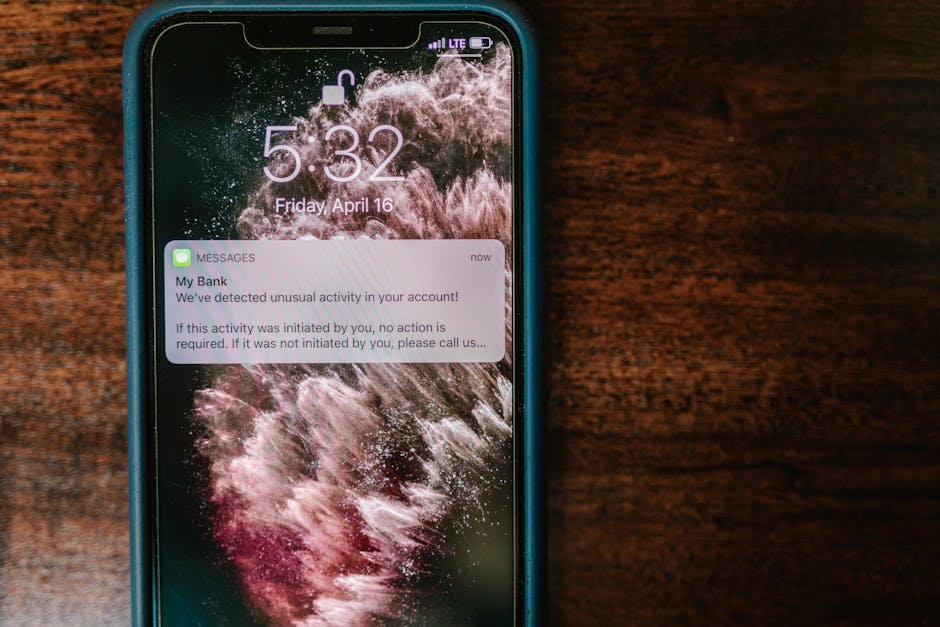
These aren't major system overhauls. They're practical fixes you can implement this week. Together, they can realistically get you from 12+ hours average response time to under two hours.
They work because they address the actual reasons small businesses respond slowly: you don't know when leads come in, you don't have a quick way to respond, and you don't have a system for making it happen consistently.
Set Up Lead Alerts That Actually Work
Email notifications don't work. You don't check email constantly, and even when you do, one more email in your inbox doesn't create urgency.
What works: SMS or phone notifications that interrupt what you're doing. You need to know immediately when a lead comes in, and you need it to be loud enough that you can't ignore it.
Most form builders and email systems can send SMS notifications. Many email-to-SMS services are free or under $20 per month. Set it up, then test it immediately. If the alert isn't loud and noticeable enough to interrupt your day, it won't change your behaviour.
Create a 'First Response' Template (Not What You Think)
This isn't a generic auto-responder. It's a personalised template you can customise and send in 60 seconds.
The structure: acknowledge their specific enquiry, ask one clarifying question, and offer a specific next step. That's it.
Here's an example: "Thanks for your enquiry about [specific service]. Just to make sure I give you the right information, are you looking to start this [timeframe]? I can send you our detailed pricing and process guide, or we can schedule a quick call this week if you prefer. What works better for you?"
You're not trying to close the sale in this first message. You're showing you're responsive, you're engaged, and you're ready to help. That's what wins in the first five minutes.
Block 15 Minutes, Twice a Day
First thing in the morning (8-8:15am) and early afternoon (1-1:15pm). These times catch leads from overnight and lunchtime.
In these blocks, respond to every lead that came in since the last block. Even if you can't give a full answer, acknowledge it and set expectations for when you'll follow up properly.
Yes, leads come in randomly. But this system ensures none of them wait more than a few hours. That's the difference between losing 60% of potential customers and winning 35-50% of sales opportunities through prompt service.
Treat these blocks as non-negotiable appointments. You wouldn't skip a meeting with your best customer. Don't skip this.
The Real Cost Isn't the Leads You Lose - It's the Business You Never Build
Slow responses don't just cost individual sales. They prevent business growth. Every lost lead is a customer relationship that never started. Every delayed response is a referral that never happened. Every abandoned purchase is revenue that never compounded.
The five-minute window and simple tracking aren't about perfection. They're about building a business that grows sustainably because you're capturing opportunities instead of letting them slip away.
Start with one change today. Set up lead alerts, create your first response template, or block those 15 minutes tomorrow morning. Measure it for a week. You'll see the difference in both conversions and your workload.
If you need help implementing a system that tracks and manages leads automatically, Ralivi specialises in simple, automated lead management without the complexity of traditional CRMs. But whether you work with us or build your own system, the important thing is to start measuring and improving today.
Your leads aren't waiting. Your business growth shouldn't wait either.